How much protein do you actually need?

Protein is the nutrient everyone has an opinion on. The short version: most people eat enough to stay healthy, but if you train regularly or you are trying to lose fat, a bit more helps. Here is how to work out your own number without a spreadsheet.
The official minimum
UK guidance sets the reference intake for adults at about 0.75 grams of protein per kilogram of body weight each day. For a 70 kg person that is roughly 52 grams. This is the amount to avoid a shortfall in an average, fairly inactive adult. It is not a target for people who train hard.
What active people usually aim for
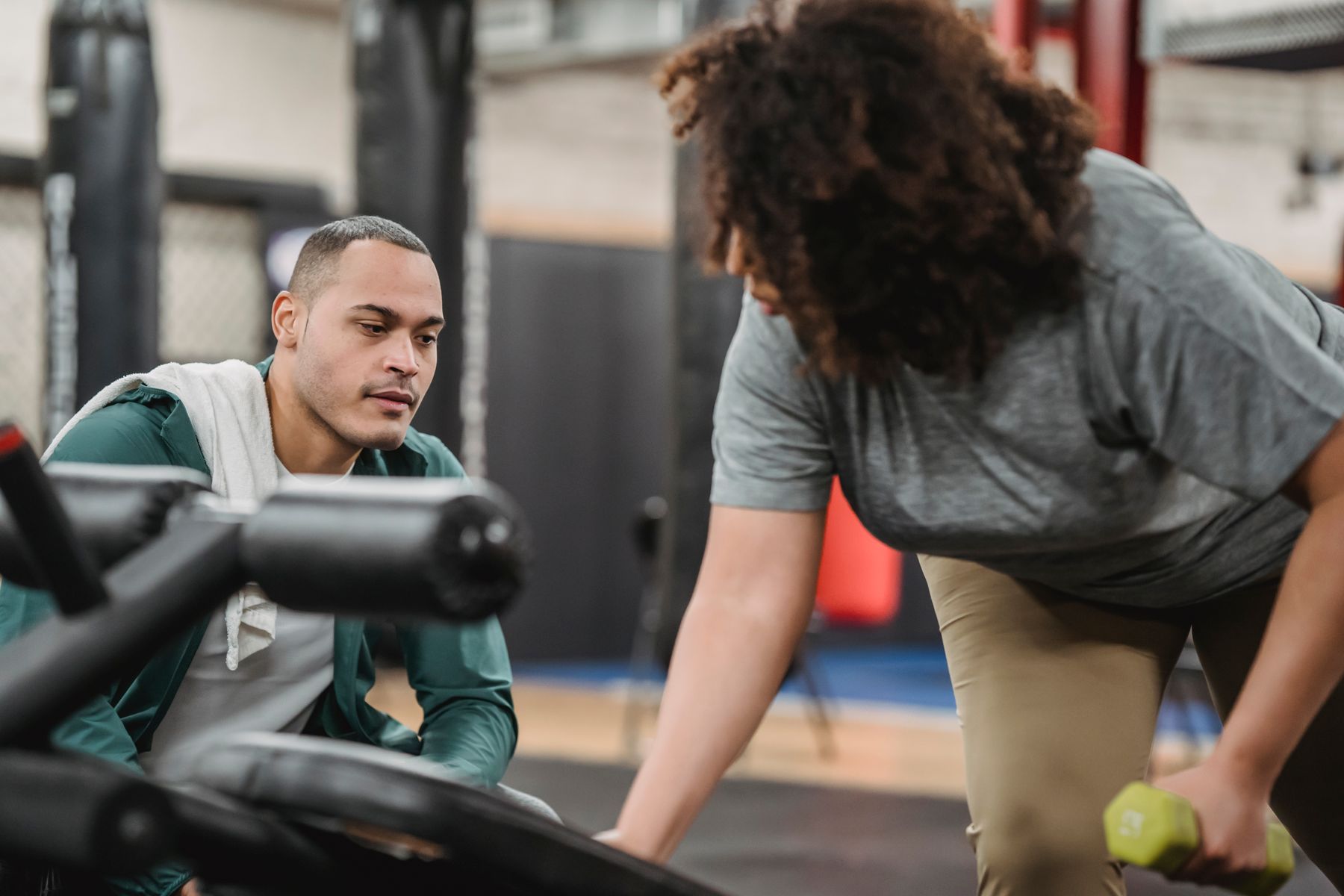
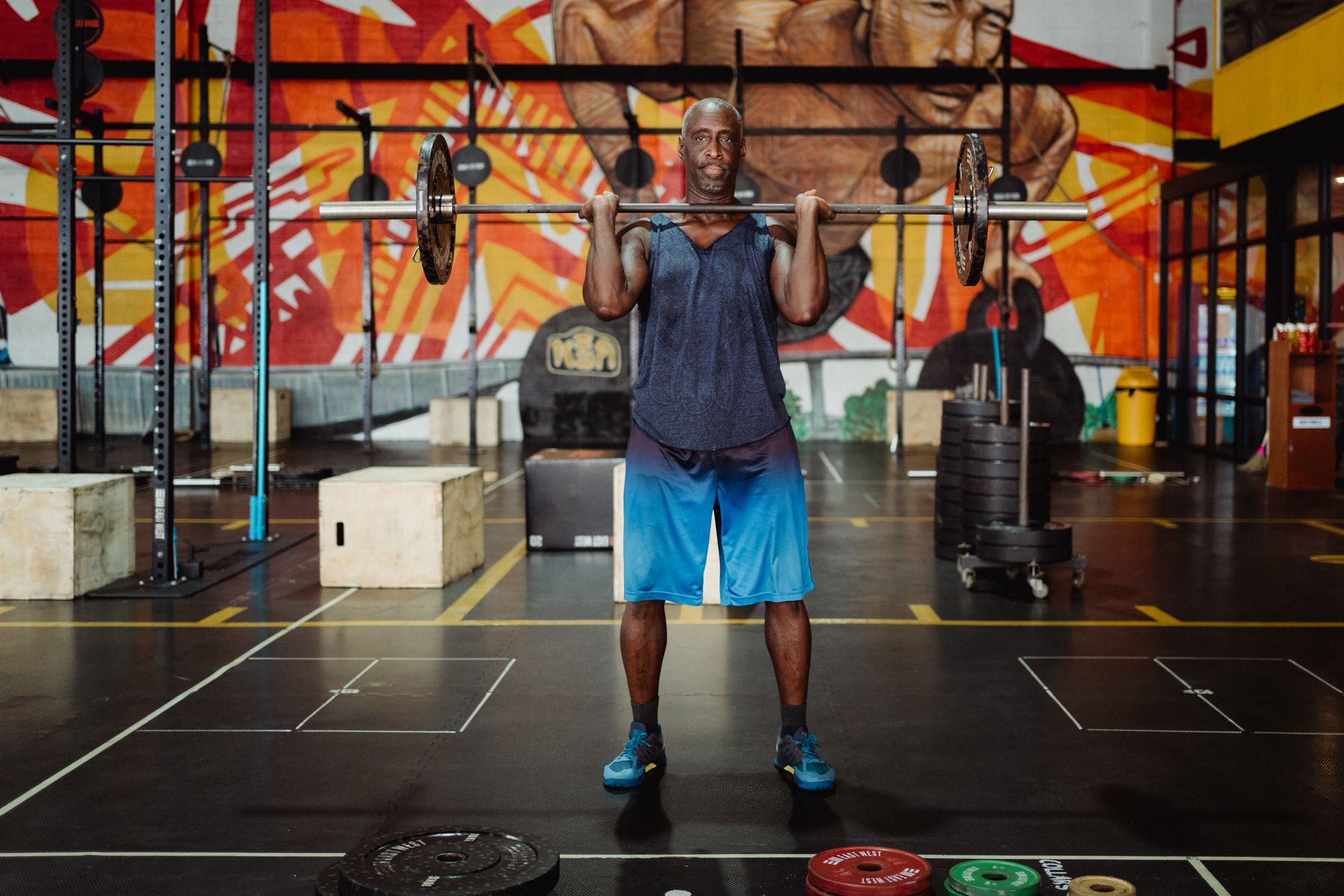
Research on strength training suggests gains level off at around 1.6 grams per kilogram of body weight per day, and many coaches use a range of 1.6 to 2.2 g/kg for people building muscle. For a 70 kg person that is about 110 to 155 grams a day. If you are in a calorie deficit, sitting towards the higher end can help you hold on to muscle while you lose fat.
- General health, not training much: around 0.75 to 1.0 g/kg
- Regular training: around 1.4 to 1.8 g/kg
- Building muscle or cutting fat: around 1.6 to 2.2 g/kg
These are general figures, not medical advice. If you have a kidney condition or a medical diet, ask your GP or a registered dietitian what is right for you.
How to hit your number with normal food
Spread it across the day rather than saving it all for dinner. Three or four meals with 25 to 40 grams each is easy to manage.
- Breakfast: Greek yoghurt, eggs, cottage cheese or a protein smoothie
- Lunch: chicken, tuna, tofu, beans or lentils with your usual sides
- Dinner: fish, lean meat, paneer or tempeh
- Snacks: skyr, a boiled egg, edamame or a handful of nuts
Do you need a shake?
No. A shake is just convenient protein. If you are already hitting your number with food, it will not do anything extra. If you are 30 grams short most days, a scoop is a cheap way to close the gap.
Check where you really are
Most people guess their protein too high. Logging a normal week of eating is the quickest way to see the real figure, and then you can adjust one meal at a time.
Want to track this without the maths? FIT works out your daily calories and protein target, and lets you log a meal by describing it. See how FIT works. It starts with 14 days free.
General information, not medical advice. Speak to your GP or prescriber before changing your diet, training or medication.