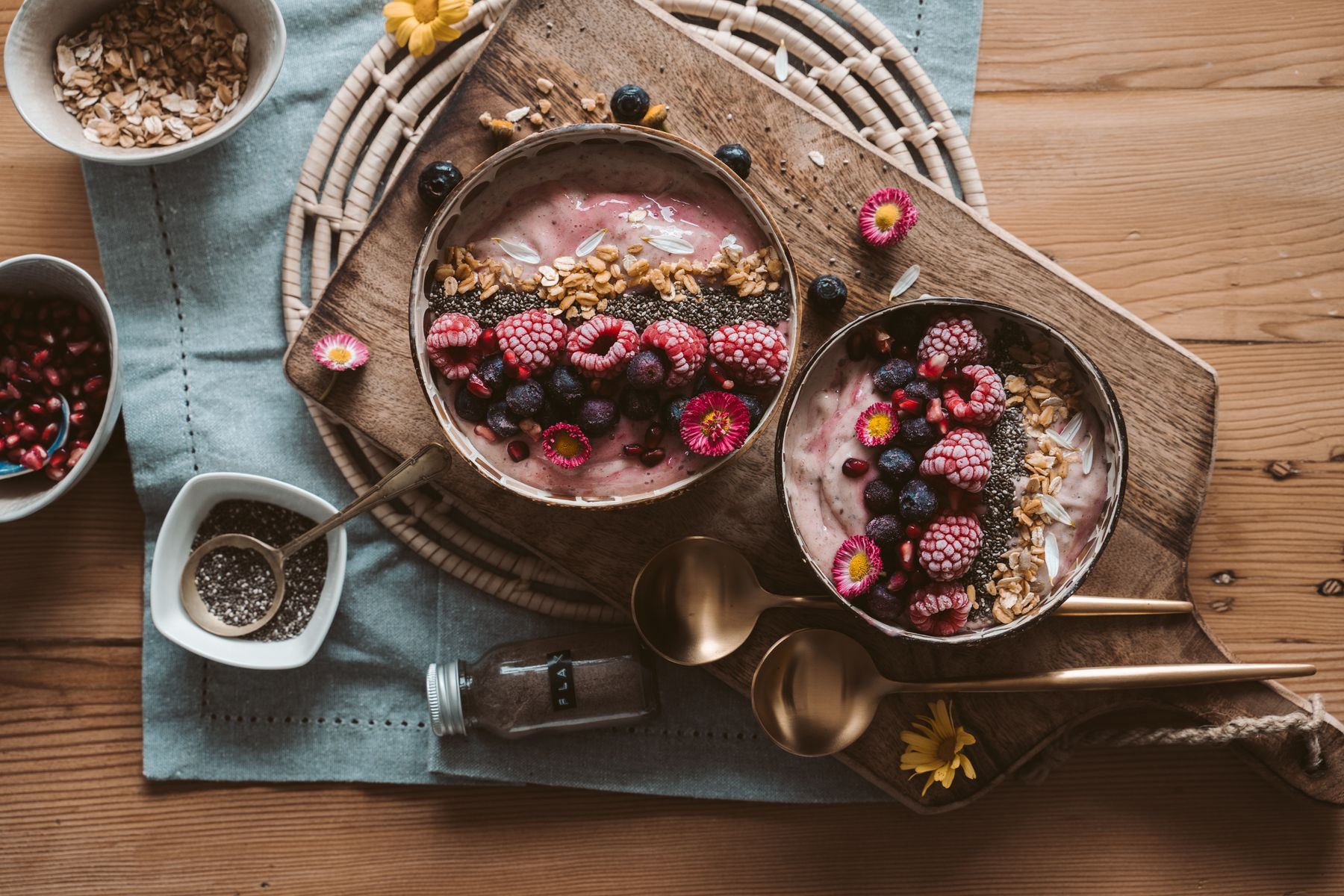
How to track home-cooked meals and sandwiches
Barcodes make tracking packaged food easy. The hard part is the stuff with no label: the sandwich you made at lunch, last night's curry, a bowl of whatever was in the fridge. Here is a simple way to log it that is accurate enough and quick.
Think in ingredients, then portions
Almost every home-cooked meal is a short list of ingredients. A ham sandwich is two slices of bread, some ham, butter and maybe a bit of salad. Add the calories of each part and you have the meal. You do not need to log each ingredient forever, only the first time.
Weigh a portion once
Serve your usual bowl of pasta onto the scales once and remember the number. After that you can estimate a normal portion by eye. The same goes for rice, cereal and a typical chicken breast.
For a big pot, divide by the portions
Cooking a stew or curry for four? Add up everything that went into the pot, then divide by the number of portions you actually served. If one portion looks bigger than another, weigh the finished pot and your own bowl and work out your share.
Describe it in plain words
You can also skip the sums. In FIT, type what you ate, like "large corned beef toastie" or "half a meat feast pizza", and the app works out the portion and the macros. A dish like a ham sandwich is treated as one meal rather than separate ingredients, and once a dish has been worked out it is saved so the next search is instant.
Do not overthink it
An honest estimate logged now is worth more than a perfect entry you never make. Be consistent, check the oils and sauces, and look at the weekly total.
Want to track this without the maths? FIT works out your daily calories and protein target, and lets you log a meal by describing it. See how FIT works. It starts with 14 days free.
General information, not medical advice. Speak to your GP or prescriber before changing your diet, training or medication.